BeeKeeping-In General
Bees play an important and irreplaceable role as pollinators in the environment. Besides providing honey and beeswax, honeybee pollination is crucial for putting on our table four out of the five foods we eat – oilseeds, pulses, vegetables and fruits.
Given this important role that honeybees play in our food chain, the National Audit Office of the UK estimated that the economic value of pollination effected by honeybees is worth £ 200 million pounds a year with the retail value of the pollinated products touching £1 billion pounds a year. Similar estimates for India do not exist, but one can imagine the extent, given India’s size and variety of crops.
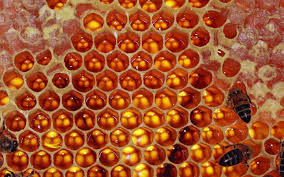
While pollination can be done by a number of insects such as butterflies, bumblebees, beetles, flies and even ants, honeybees are the most efficient pollinators. It is estimated that under normal conditions a hive of fifty thousand bees pollinates half a million plants in one day – making any other kind of pollinator pale into insignificance. Honeybees of the Indian subcontinent, especially Apis cerana indica are found extensively in the natural environment. A. cerana indica is an extremely hard worker (as compared to the hybrid bee Apis mellifera which is commonly used by commercial beekeepers). She works long hours and even through extreme weather conditions. Studies have pointed out benefits of increased yields through pollination.
Indian agriculture is characterized by a predominance of small and marginal farmers, who account for 80% of all farmer households. Agriculture has been plagued by declining productivity over the last few decades. The ability of agriculture to generate new jobs has also reduced with various policy documents highlighting almost the urgent need for rural livelihood diversification.
Recognising that the benefit of beekeeping is 40 times more than the value of honey and beeswax, the first National Commission on Agriculture (1976) in India had recommended beekeeping purely as an agricultural input and put forth a plan for apiculture until 2000. However, subsequent agricultural policy unfortunately did not give beekeeping the importance it deserves.
Bees play an important and irreplaceable role as pollinators in the environment. Besides providing honey and beeswax, honeybee pollination is crucial for putting on our table four out of the five foods we eat – oilseeds, pulses, vegetables and fruits.
Given this important role that honeybees play in our food chain, the National Audit Office of the UK estimated that the economic value of pollination effected by honeybees is worth £ 200 million pounds a year with the retail value of the pollinated products touching £1 billion pounds a year. Similar estimates for India do not exist, but one can imagine the extent, given India’s size and variety of crops.
While pollination can be done by a number of insects such as butterflies, bumblebees, beetles, flies and even ants, honeybees are the most efficient pollinators. It is estimated that under normal conditions a hive of fifty thousand bees pollinates half a million plants in one day – making any other kind of pollinator pale into insignificance. Honeybees of the Indian subcontinent, especially Apis cerana indica are found extensively in the natural environment. A. cerana indica is an extremely hard worker (as compared to the hybrid bee Apis mellifera which is commonly used by commercial beekeepers). She works long hours and even through extreme weather conditions. Studies have pointed out benefits of increased yields through pollination.
Indian agriculture is characterized by a predominance of small and marginal farmers, who account for 80% of all farmer households. Agriculture has been plagued by declining productivity over the last few decades. The ability of agriculture to generate new jobs has also reduced with various policy documents highlighting almost the urgent need for rural livelihood diversification.
Recognising that the benefit of beekeeping is 40 times more than the value of honey and beeswax, the first National Commission on Agriculture (1976) in India had recommended beekeeping purely as an agricultural input and put forth a plan for apiculture until 2000. However, subsequent agricultural policy unfortunately did not give beekeeping the importance it deserves.

No comments:
Post a Comment