
Bee Facts – What you didn’t know about honeybees
-
Male honey bees are called drones, and their only purpose in life is
to mate with the queen. When they do mate, having sex with the Queen
will detach their endophallus which gets stuck inside the queen. While
most would think seeing your brothers abdomen ripped out would deter the
next drone from mating – not so. These boys are less than bright with
the next drone removing the previous endophallus and inserting his own
to suffer the same fate. If the drone manages to survive the mating and
returns, wounded, to the hive the worker bees kick this lazy gigolo out
of the hive and return to work.
-
When she mates, the queen will collect more than 70 million sperm from
multiple males. She will then store this sperm for future use. Perhaps
this is where the term, mindless drone, emerged.
-
The Queen used to be called the King of the hive. In the 1660’s a
Dutch Scientist, Jan Swammerdam, dissected the King bee and discovered …
ovaries.
-
Ever thought a bee was targeting you specifically? You’re probably
right! Australian Research has shown that bees can recognize human
faces. You can check out more on Adrian Dyer’s research.
-
There are more than 16,000 species of bee. About 5% of these are
social bees and will live in a colony, the rest tend to be solitary
insects.
-
Honey will never spoil.
-
If there is a food shortage and supplies are low, honey bees have been
known to eat their larvae and even their hive mates. Cannibalism, while
gruesome, is an evolutionary control method for declining supply
levels. The older population with the most value eat the younger larvae
and eggs.
-
A bee colony is highly structured and very tidy. These miniature neat
freaks will not defecate inside the hive unless they are ill. Bees
actually defecate in mid-flight. There is also an army of worker bees
who are keeping the hive clean, removing the queen’s waste and other
debris.
-
In line with keeping clean, the worker bees will also act as
undertakers. When bees of the colony die, their siblings will drag their
dead bodies from the hive and move the corpses away from the colony.
-
Bees can identify illness in other bees through smell. Sick bees are
promptly chased out of the hive or removed by other bees to keep them
away from the honey and larvae.
-
Bees have an incredibly developed set of senses to aid in their daily
routines. The humble honey bee can perceive the difference between
images in one 300th of a second. To put this in perspective, humans can perceive the differences in one 50th
of a second. They also have a finely honed sense of smell. This is
obviously used in their search for flowers but smell is also used by
bees for identification and in the mating ritual.
-
Scientists have trained bees to recognize explosives – no more need for sniffer dogs we now have sniffer bees. Check out the Bomb Sniffing Bees for more details.
-
Honey was used in World War One to treat wounds. It has natural
antibacterial and anti-inflammatory properties and draws moisture away
from a wound.
-
Gregor Mendel, father of the theory of hereditary genetics, worked
with bees and mice as well as peas. He bred a hybrid bee type and called
bees, “my dearest little animals”
-
The word honeymoon is actually derived from an ancient European custom
where newlyweds would drink a cup of mead (a drink made from honey)
every day for a month.
-
Within a hive, a newly hatched Queen will kill all other hatching and unhatched Queens.
-
Worker bees will return to the hive once they have discovered a food
source and dance to let other bees know where it is. A round dance
indicates the food source is close by, while more wiggle indicates the
source is distant. A more excited dance indicates large supply levels
while a less animated one indicates lower amounts.
-
Honey bees are being used in the treatment of multiple sclerosis (MS).
Sufferers of MS are using Apitherapy, where their damaged nerves are
being stung by bees to encourage growth and stimulation. Apitherapy also
includes the consumption of honeybee products such as Propolis, royal
jelly and raw honey.
-
Bees fly an average of 15 miles per hour. When you hear a bee buzzing
that is the sound of its wings. Their wings move at 11,400 strokes per
minute.
-
Bees have been into outer space. In 1984 more than 3000 bees were
taken into space on a Challenger flight where they adapted to zero
gravity and built an almost perfect honey comb.
And finally, an old wives tale. If a bee enters your house, it means a
visitor is on the way. If you kill the bee, the visitor will be
unpleasant.
Commercial bee keeping
 Beekeeping has been a much sought after activity since ancient times. However, beekeeping as a serious profession is fast gaining popularity nowadays. There are various types of beekeepers. Some people merely pursue it as a hobby rather than a full time vocation. Commercial bee keeping is fast on the rise with it being the sole source of income for many. Commercial bee keeping means devoting all your time to this profession and making it a means of earning your daily bread. You can also hire beekeepers that can take care of your farm and bees.
Commercial bee keeping has a number of aspects. It involves varied processes, which require many efforts. Firstly investing in beekeeping is the major hurdle. If you plan to start beekeeping on a commercial basis, you need to invest a lot initially. You should also take advice of experienced commercial beekeepers when you decide to embark on this path.
 There are certain beekeeping rules and regulations that need to be followed. Your bees need ample space to find their food and roam about freely. Commercial bee keeping involves renting or buying a certain amount of land exclusively for your bees. The bees should be kept in clean and hygienic conditions.
Commercial bee keeping also requires ample space for storage purposes. There are plenty of equipments required during the process of extracting the honey and your bees also require food that can be stored in this place.
Commercial beekeepers buy packets of bees with the queen bee. They fill the hives with these bees and start the further processes. Beekeepers need to keep a constant watch on the bees and avoid swarming of the bees.
There are numerous hives prepared for especially for the purpose for beekeeping. All these hives too need to be maintained and repaired in case of any damage. Commercial beekeepers have to extract honey during the spring season. After this season ends the bees thrive on honey and food that as been stored for them. The conditions too need to be maintained properly during the winter seasons as the cold winds may affect the bees.
Honey is extracted from the honeycombs by means of a honey extractor. However, before this the beekeepers have to ensure that the honeybees do not swarm around the comb. Honeybees are brushed off from the combs and sometimes bee repellents too are used. The honey that is extracted is collected in tanks and is then bottled in jars. This honey is then sold in markets.
Commercial bee keeping actually does not involve too many expenses. Only the initial investment proves to be a bit high. The commercial beekeepers earn their livelihood through production of beeswax, honey and pollination of crops.
Commercial beekeeping proves to be a great success in areas, which receive rain. So make sure that you choose suitable areas when you start with commercial farming. Beekeeping is an ideal profession for those who love being in nature and like the company of bees. Commercial beekeeping is an interesting occupation indeed and you can reap the benefits of this profession if pursued with enthusiasm and passion.
Factors To Be Considered For Beginner In BeeKeeping
There are many factors to consider when thinking about becoming a
beekeeper, but they can all be basically lumped into three categories: surroundings, site, and self.
 Surroundings: Are you in an area where both bees and
beekeepers will be embraced? Think of your neighbors first — find out
how they feel about bees and if anyone is allergic to bee venom. Make
sure there are no laws prohibiting beekeeping at the municipal level, or
that it is allowed by the condo association or within your housing
complex. If you are renting, check with the landlord. Use common sense
and don't try to make it work when it is a bad idea to begin with.
Site: A good site is sunny, with a bit of shade and a
source of water nearby. Having the hive opening face south and having
some type of windbreak to the north, like a fence or some bushes, is
ideal. (I have heard from many old-timers that the north wind has a
mysteriously negative effect on bees, enough so that I heed their
warnings.) The source of water can be easily supplied by any number of
homemade watering systems. A big field full of wildflowers would be
nice, but my bees are in the woods and do just fine collecting tree
pollen, and there are plenty of urban beekeepers who make do as well.
One thing to think about if you are in the woods is bears. Around here,
in southwest New Hampshire, an electric fence is mandatory. If you are
in an area where bears are prevalent, a source of power for the fence is
a nice thing, but if none is readily available there are plenty of
other options, such as solar fence chargers and battery-powered fences.
Self: Ask yourself why you want to become a
beekeeper. It is difficult to make your initial investment back in the
short-term, especially if you have die-offs due to weather or disease.
Money generated from honey sales should not be a main factor, at least
not in the first few years when you have just a hive or two. There
should be a genuine interest in honeybees as a species because you will
be taking a crash course in biology, genetics, behavior, diseases, etc. I
am a hobbyist beekeeper, but it is one of the most demanding hobbies I
have ever taken up, and one of the most rewarding.
The best thing you can do is visit a beekeeper and see firsthand what
it is like to get inside a hive and be surrounded by bees. It's not for
everyone. Local beekeeping clubs are a great place to find all types of
information on beekeeping in your area. They tend to be full of people
who like nothing more than to talk about their bees and would no doubt
be glad to give you an up close and personal look.
Surroundings: Are you in an area where both bees and
beekeepers will be embraced? Think of your neighbors first — find out
how they feel about bees and if anyone is allergic to bee venom. Make
sure there are no laws prohibiting beekeeping at the municipal level, or
that it is allowed by the condo association or within your housing
complex. If you are renting, check with the landlord. Use common sense
and don't try to make it work when it is a bad idea to begin with.
Site: A good site is sunny, with a bit of shade and a
source of water nearby. Having the hive opening face south and having
some type of windbreak to the north, like a fence or some bushes, is
ideal. (I have heard from many old-timers that the north wind has a
mysteriously negative effect on bees, enough so that I heed their
warnings.) The source of water can be easily supplied by any number of
homemade watering systems. A big field full of wildflowers would be
nice, but my bees are in the woods and do just fine collecting tree
pollen, and there are plenty of urban beekeepers who make do as well.
One thing to think about if you are in the woods is bears. Around here,
in southwest New Hampshire, an electric fence is mandatory. If you are
in an area where bears are prevalent, a source of power for the fence is
a nice thing, but if none is readily available there are plenty of
other options, such as solar fence chargers and battery-powered fences.
Self: Ask yourself why you want to become a
beekeeper. It is difficult to make your initial investment back in the
short-term, especially if you have die-offs due to weather or disease.
Money generated from honey sales should not be a main factor, at least
not in the first few years when you have just a hive or two. There
should be a genuine interest in honeybees as a species because you will
be taking a crash course in biology, genetics, behavior, diseases, etc. I
am a hobbyist beekeeper, but it is one of the most demanding hobbies I
have ever taken up, and one of the most rewarding.
The best thing you can do is visit a beekeeper and see firsthand what
it is like to get inside a hive and be surrounded by bees. It's not for
everyone. Local beekeeping clubs are a great place to find all types of
information on beekeeping in your area. They tend to be full of people
who like nothing more than to talk about their bees and would no doubt
be glad to give you an up close and personal look.
Basic BeeKeeping Tools
Like many other hobbies and pastimes, the start-up costs to get kitted
out in beekeeping are a bit steep. But once you have the gear, much of
it will last a lifetime, and only certain parts need occasional
replacement and repair. The real danger is beekeeping's addictive
nature. It starts with one hive, and then a few more. Before you know it
you have a couple dozen hives in three locations and a very sticky
pickup truck. If that happens to you, know that you are in good company.
But for anyone looking to start with just one hive, here are the basic
pieces of equipment.
 • Hive Bodies and Covers: These are the boxes that
the bees live in and where they store honey. There are three different
sizes: deep, medium and shallow. I like to use two deeps for the living
quarters (where the bees lay their eggs and store the pollen and nectar
that will get them through the winter), and shallows for the honey
supers. I used mediums as honey supers once and they were ridiculously
heavy when full, so I switched to shallows. There are two covers needed,
a wooden inner cover and a weatherproof outer cover.
• Frames: These are the structures where the bees
create the honeycomb, which they then fill with eggs, nectar, or pollen.
There are many different types. I use a few plastic frames I inherited
but mostly more traditional wooden ones. These have a delicate beeswax
wafer in the center, called foundation, which the bees draw out into
full honeycomb. There are nine or ten frames per hive, depending on your
methods.
• Hive Bodies and Covers: These are the boxes that
the bees live in and where they store honey. There are three different
sizes: deep, medium and shallow. I like to use two deeps for the living
quarters (where the bees lay their eggs and store the pollen and nectar
that will get them through the winter), and shallows for the honey
supers. I used mediums as honey supers once and they were ridiculously
heavy when full, so I switched to shallows. There are two covers needed,
a wooden inner cover and a weatherproof outer cover.
• Frames: These are the structures where the bees
create the honeycomb, which they then fill with eggs, nectar, or pollen.
There are many different types. I use a few plastic frames I inherited
but mostly more traditional wooden ones. These have a delicate beeswax
wafer in the center, called foundation, which the bees draw out into
full honeycomb. There are nine or ten frames per hive, depending on your
methods.
• Bottom Boards: A bottom board is
basically what it sounds like, a board that goes below all of the other
hive components. There are screened bottom boards, solid ones, and some
with built-in entrance reducers.
• Protective Clothing: Everyone has an opinion on
how much protective gear you should wear when tending your bees. Almost
everyone wears a veil, which is the netted headgear that protects your
face. After that it comes down to comfort level. You can buy a full set
of coveralls, just a jacket, long leather gloves, and even white rubber
boots. I go with jeans, sneakers and a jacket with attached veil. And
while I did not always wear gloves, after a few stings on my hand that
made my fingers swell up like sausages, I am now a glove man.
 • Smoker: Your best friend and worst enemy. You will
love it because nothing calms down an agitated hive of bees like a few
puffs of cool white smoke. You will hate it because it will never stay
lit in your early beekeeping days and inevitably go out when you are
elbow deep in the second hive body. Practice lighting and maintaining
your smoker, often. Trust me on this one, it is time well spent. Of
course, whether your smoker stays lit depends largely on your smoker
fuel, which is another hotly contested topic. I have found that nothing
beats pine shavings, which are readily available as hamster bedding in
pet stores.
• Hive Tool: This is sort of a sharp pry-bar, useful for many tasks but mainly used for separating and removing frames from a hive body.
• Feeder: Supplemental feeding of bees in spring and
fall is a common practice. The usual food is a sugar syrup you make
yourself, using different ratios of sugar to water depending on the
season.
• Smoker: Your best friend and worst enemy. You will
love it because nothing calms down an agitated hive of bees like a few
puffs of cool white smoke. You will hate it because it will never stay
lit in your early beekeeping days and inevitably go out when you are
elbow deep in the second hive body. Practice lighting and maintaining
your smoker, often. Trust me on this one, it is time well spent. Of
course, whether your smoker stays lit depends largely on your smoker
fuel, which is another hotly contested topic. I have found that nothing
beats pine shavings, which are readily available as hamster bedding in
pet stores.
• Hive Tool: This is sort of a sharp pry-bar, useful for many tasks but mainly used for separating and removing frames from a hive body.
• Feeder: Supplemental feeding of bees in spring and
fall is a common practice. The usual food is a sugar syrup you make
yourself, using different ratios of sugar to water depending on the
season.
• Uncapping Knife: This implement
removes the wax covering that the bees deposit over the honey to keep it
from absorbing water. This is done right before the honey is extracted.
This can be as simple as a long flat knife dipped in hot water to a
heated one you plug in.
• Extractor and Containers:
Extractors are expensive pieces of equipment that no novice with one
hive should purchase for their own use. It is much more economical for a
number of beekeepers to share one extractor. The extractor itself is
sort of a centrifuge, which spins uncapped frames of honey at a high
speed until all of the honey clings to the sides of the extractor and is
dripped to the bottom, which has a spout for easy removal of the honey
into a bucket or jars. Jars and containers come in as many shapes and
sizes as you can imagine; you'll need some for your harvest.
• Electric Fence: If you live in bear country, you need a fence. Otherwise you will end up buying a lot of equipment a second time.
• Bees (of course!): Bees are shipped in what is
called a 'package', which usually consists of three pounds of bees and a
mated queen. Three pounds equals about 10,000 bees, and they come in a
shoebox sized wooden box with screened sides. These used to be shipped
directly to individuals by mail, but now it is much more common to have
them delivered to a central location for pick-up, usually a beekeeping
supply store.
That covers the basics. There are a bunch of other things, from
beekeeping books to honey jar labels, that you will no doubt find useful
and end up spending some money on.
BeeKeeping-In General
Bees play an important and irreplaceable role as pollinators in the environment. Besides providing honey and beeswax, honeybee pollination is crucial for putting on our table four out of the five foods we eat – oilseeds, pulses, vegetables and fruits.
Given this important role that honeybees play in our food chain, the National Audit Office of the UK estimated that the economic value of pollination effected by honeybees is worth £ 200 million pounds a year with the retail value of the pollinated products touching £1 billion pounds a year. Similar estimates for India do not exist, but one can imagine the extent, given India’s size and variety of crops.
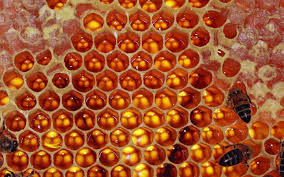 While pollination can be done by a number of insects such as butterflies, bumblebees, beetles, flies and even ants, honeybees are the most efficient pollinators. It is estimated that under normal conditions a hive of fifty thousand bees pollinates half a million plants in one day – making any other kind of pollinator pale into insignificance. Honeybees of the Indian subcontinent, especially Apis cerana indica are found extensively in the natural environment. A. cerana indica is an extremely hard worker (as compared to the hybrid bee Apis mellifera which is commonly used by commercial beekeepers). She works long hours and even through extreme weather conditions. Studies have pointed out benefits of increased yields through pollination.
Indian agriculture is characterized by a predominance of small and marginal farmers, who account for 80% of all farmer households. Agriculture has been plagued by declining productivity over the last few decades. The ability of agriculture to generate new jobs has also reduced with various policy documents highlighting almost the urgent need for rural livelihood diversification.
Recognising that the benefit of beekeeping is 40 times more than the value of honey and beeswax, the first National Commission on Agriculture (1976) in India had recommended beekeeping purely as an agricultural input and put forth a plan for apiculture until 2000. However, subsequent agricultural policy unfortunately did not give beekeeping the importance it deserves.


